



Understanding Car Color Psychology
Car color psychology is an intriguing subject that explores the emotional and psychological implications of different colors and how they resonate with potential consumers. Colors can evoke various feelings and associations, significantly influencing purchasing decisions. For instance, red is often perceived as a color of excitement and energy, making it a popular choice among buyers looking for a vehicle that stands out. This vibrant hue is associated with action, passion, and dynamic experiences, appealing primarily to individuals seeking thrilling driving experiences.
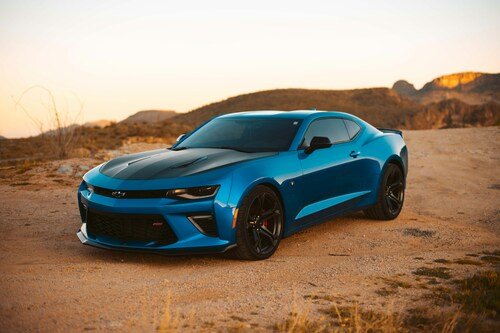
In contrast, blue tends to evoke a sense of calm and trust. Cars painted in shades of blue are often viewed as more stable and reliable, attracting consumers who prioritize safety and dependability over ostentation. The association of blue with serenity may lead to increased consumer comfort, potentially influencing the initial purchase decision.
Black, known for its timeless elegance and sophistication, frequently conveys power and luxury. Luxury car brands often utilize black to reinforce their premium positioning in the market. Buyers drawn to black vehicles typically seek refinement and status, viewing the color as a reflection of their personal achievement and style.
White vehicles are linked with purity, cleanliness, and a modern aesthetic. This color has gained popularity for its ability to highlight design features and create an impression of spaciousness. According to various surveys, white is one of the most favoured colors among consumers, particularly in markets that emphasize practicality and simplicity.
The preferences for car colors can also fluctuate over time, as cultural trends and societal values evolve. Understanding these psychological responses to color can guide manufacturers and marketers in crafting strategies aimed at influencing consumer choices.
Market Trends: Popular Car Colors Over the Years
The automotive industry has witnessed significant fluctuations in consumer preferences regarding car colors over the decades. Historical data reveals that certain colors have dominated the market while others have gradually fallen out of favor. In recent years, statistics indicate that shades like white, black, and gray have consistently maintained their positions as the top sellers in the global automotive market. According to a 2022 report by PPG Industries, white was the leading choice, accounting for over 35% of new vehicle sales, followed closely by black and gray.
The evolution of popular car colors is often influenced by broader cultural trends and economic conditions. For example, in the mid-20th century, vibrant colors such as red, turquoise, and bright yellow were very much in vogue, reflecting the optimism and consumerism of the post-war era. However, as the years progressed, there was a notable shift toward more subdued and neutral palettes. This trend can be attributed to various factors, including the rise of minimalism in design, an increasing preference for understated elegance, and concerns over safety and resale value, driving consumers toward classic colors.
Additionally, fashion trends have played a pivotal role in color popularity. The trend towards eco-friendliness has also led to a preference for colors that symbolize sustainability, such as greens and earthy tones. Economic conditions can also impact color choices; during economic downturns, consumers may lean towards conservative options that they perceive as more resilient in retaining resale value.
A timeline of car color trends illustrates how tastes evolve and how manufacturers adapt their offerings to meet changing consumer preferences. Understanding these trends not only informs consumers about their vehicle purchases but also helps manufacturers anticipate future demands in an ever-competitive market.
The Impact of Car Color on Resale Value
The color of a car is a crucial factor that can significantly influence its resale value. Various studies have shown that certain colors can lead to higher demand, thus affecting the perceived value of a vehicle when it comes time to sell. For instance, a report from automotive resale experts indicated that vehicles painted in popular colors like white, black, and gray tend to maintain higher resale prices compared to those in less common shades such as yellow or green.
Statistics reveal compelling trends in car color preferences among consumers. According to recent data, approximately 30% of car buyers prefer white vehicles, making it one of the most sought-after colors in the market. Consequently, this popularity translates into better resale prospects; vehicles in shades of white can retain as much as 80% of their original value. In contrast, niche colors that appeal to a smaller audience might only retain 40% to 50%, showcasing a stark difference in financial returns.
Factors contributing to this phenomenon include perceptions of safety and maintenance. Lighter colors are often associated with safety, as they are more visible in various driving conditions. This perception influences consumer preferences, driving up the demand for vehicles in these hues. Additionally, it is worth noting that certain colors may indicate lower maintenance levels. For instance, darker shades are more likely to show scratches and fading, which can deter potential buyers.
Insights from industry experts suggest that investing in a car with a classic or neutral color, such as beige or silver, can also enhance resale value. As trends change, the demand for specific colors fluctuates, but those that are versatile tend to be more resilient in the resale market. This analysis emphasizes the importance of color choice not only during the purchase but also in planning for future resale opportunities.
Tips for Choosing the Right Car Color for Resale Value
Selecting the appropriate color for a vehicle can significantly influence its resale value. When considering which hue to choose, potential buyers should evaluate not only their personal preferences but also prevailing market trends. Generally, colors like white, black, gray, and silver tend to have broader appeal and attract a larger pool of prospective buyers, thereby enhancing resale prospects.
Experts suggest that neutral tones remain timeless choices, as they often align with consumer preferences year-round. Meanwhile, vibrant colors and pastels may contribute to a higher initial purchase appeal but can limit potential buyers in the future. It is crucial to understand that while these trendy colors might stand out on the lot, they might not hold their value as effectively over time.
Furthermore, it can be advantageous to consider regional preferences when choosing a car color. For example, in areas with abundant sunlight, lighter colors might be favored because they keep the car cooler. Similarly, in regions known for harsh winters, dark colors may be more appealing. Thus, careful research and consideration of environmental factors can pay off when selecting a car color.
Moreover, buyers should also assess the vehicle’s intended use. For instance, a family vehicle might benefit from a more practical color that is easier to maintain and less likely to show dirt. Conversely, a sports car owner might lean towards exciting, bright colors that complement the vehicle’s design and performance features.
In summary, choosing the right car color involves balancing personal taste with market demand. By aligning choices with neutral and timeless colors while also considering regional trends and the vehicle’s purpose, buyers can make informed decisions that set the stage for favorable resale opportunities. Thinking strategically about color selection can enhance the car’s investment potential for future reselling.