



Enhancing Aesthetics and Style
Open shelving has emerged as a transformative element in home design, significantly enhancing the aesthetics and style of different spaces. The versatility of open shelves allows them to seamlessly integrate into various design styles, including modern, rustic, and minimalist. In contemporary settings, open shelving contributes to a sleek and uncluttered appearance. By eliminating bulky cabinetry, open shelves create a sense of openness, making the space feel larger and more inviting.
In a rustic design scheme, open shelves can be crafted from reclaimed wood or wrought iron, adding warmth and character to a kitchen or living area. This design approach encourages homeowners to display artisanal pottery, vintage dishware, and handmade decor items, ultimately telling a story and reflecting personal style. The strategic placement of these shelves can enhance the cozy and inviting atmosphere that is emblematic of rustic aesthetics.
For those leaning towards minimalist design, open shelving offers a way to showcase simplicity and functionality. Clean lines and uncluttered surfaces are hallmarks of minimalism, and properly arranged open shelves can serve as subtle statement pieces. By displaying only essential items and a few select decorative pieces, homeowners can achieve a refined and harmonious look that is visually appealing without being overwhelming. Additionally, incorporating plants or greenery on open shelves can soften the overall design, introducing a natural element that complements both modern and minimalist styles.
Overall, open shelving not only serves a practical function, allowing easy access to everyday items, but also enhances the visual appeal of a home, inviting personal expression through the careful curation of displayed objects. By choosing the appropriate materials and designs, homeowners can maximize the aesthetic benefits of open shelving and create a stylish focal point in their space.
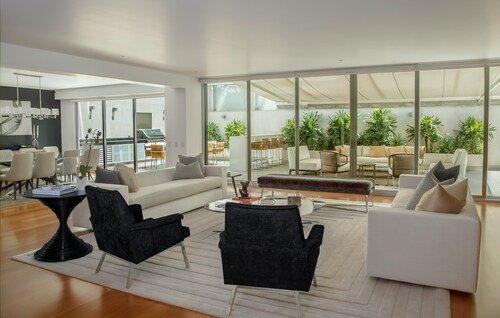
Open shelving plays a significant role in creating an open and airy space within the home. This design strategy eliminates the bulkiness of traditional cabinetry, allowing for a more streamlined look, which can make any room feel less cluttered and more welcoming. By opting for open shelves, homeowners can visually enhance their space, particularly in smaller rooms where maximizing perceived area is essential.
Psychologically, an open layout tends to evoke feelings of freedom and relaxation. This is particularly beneficial for environments meant for gathering, such as living rooms and kitchens. When objects are neatly arranged on open shelves, they create a sense of organization and harmony, contributing to a tranquil atmosphere. Furthermore, incorporating open shelving can draw the eye upward, creating the illusion of height and space. By strategically placing shelves higher on the walls, the overall sightline is extended, making the room appear larger.
For instance, in a compact kitchen, using open shelves above countertops for decorative dishware not only utilizes vertical space effectively but also encourages a more open flow. Such design choices invite natural light to permeate the area, further enhancing the openness. Similarly, in a living room, tall open shelving units can act as functional art pieces while giving the illusion of higher ceilings. This arrangement not only optimizes space but also fosters an inviting and airy environment.
Moreover, decorating with intention on open shelves allows for personal expression while maintaining a spacious feel. Carefully curated items can serve as focal points, drawing attention amidst the simplicity. Thus, open shelving serves not just as functional storage but as a powerful tool in home design that enhances both the aesthetic and psychological experience of the space.
Encouraging Organization and Accessibility
Open shelving in home design serves as a practical element that significantly enhances organization and accessibility. Unlike traditional closed cabinets, open shelves allow for easy access to frequently used items, streamlining daily tasks in areas such as kitchens or living rooms. This accessibility not only saves time but also promotes a more functional living environment, as it encourages individuals to keep their spaces tidy and well-organized.
To efficiently organize kitchenware on open shelves, consider grouping items by category or frequency of use. For example, place everyday dishes and utensils at eye level for quick access, while less frequently used items can be stored on higher shelves. Utilizing attractive containers or baskets to house smaller items can also help maintain a clean appearance, emphasizing the concept of ‘displaying what you use.’ This method not only minimizes clutter but also transforms utilitarian items into decorative elements.
When it comes to organizing books or decor, a similar approach can be employed. Arrange books by size or color, creating visual interest on the shelves. Incorporate personal items such as photographs or plants to break up the monotony and add personality to the shelves. It’s important to leave some space empty for breathing room, as overcrowding can lead to a sense of chaos.
The key takeaway is that open shelving can turn ordinary items into accessible art. By displaying functional items in an organized manner, you foster a habit of neatness and promote an inviting atmosphere in your home. Embracing this philosophy not only enhances accessibility but also nurtures a mindful living space, where the organization becomes an integral part of daily routines.
Personalization and Display Opportunities
Open shelving inherently invites a unique opportunity for homeowners to personalize their spaces. Unlike closed cabinetry, which often conceals items, open shelving allows for the display of various collections, treasures, and decorative elements that can profoundly express an individual’s style and personality. By curating these shelves with intention, homeowners can transform their living areas into a true reflection of their tastes and experiences.
One effective strategy for personalization is the thoughtful selection of items to display. Consider a collection of vintage porcelain, beloved books, or even cherished family photographs. These items not only serve as decorative components but also tell a story about the homeowner’s journey. For instance, one might dedicate an open shelf to travel memorabilia, where each piece evokes memories of past adventures, creating a visually appealing travelogue that inspires conversations with guests.
Moreover, open shelving offers the flexibility to adapt decorations with the seasons. During autumn, one might choose to showcase rustic elements like pumpkins and warm-toned ceramics, while in the winter, delicate glass ornaments and twinkling lights can add festive cheer. This dynamic nature of open shelving allows for an ever-evolving aesthetic that keeps the home fresh and engaging. As tastes change over time, open shelves can be easily reconfigured to accommodate new styles, making them a sustainable choice for long-term home decor.
Incorporating greenery, special artifacts, or hand-crafted items can also enhance personalization. Each of these choices contributes to a harmonious blend of function and decoration, ultimately fostering a warm and welcoming environment that resonates with individuality. Through these means, open shelving not only serves as a practical storage solution but also acts as a canvas for creative expression in home design.